
RespVir-Dashboard_CVN

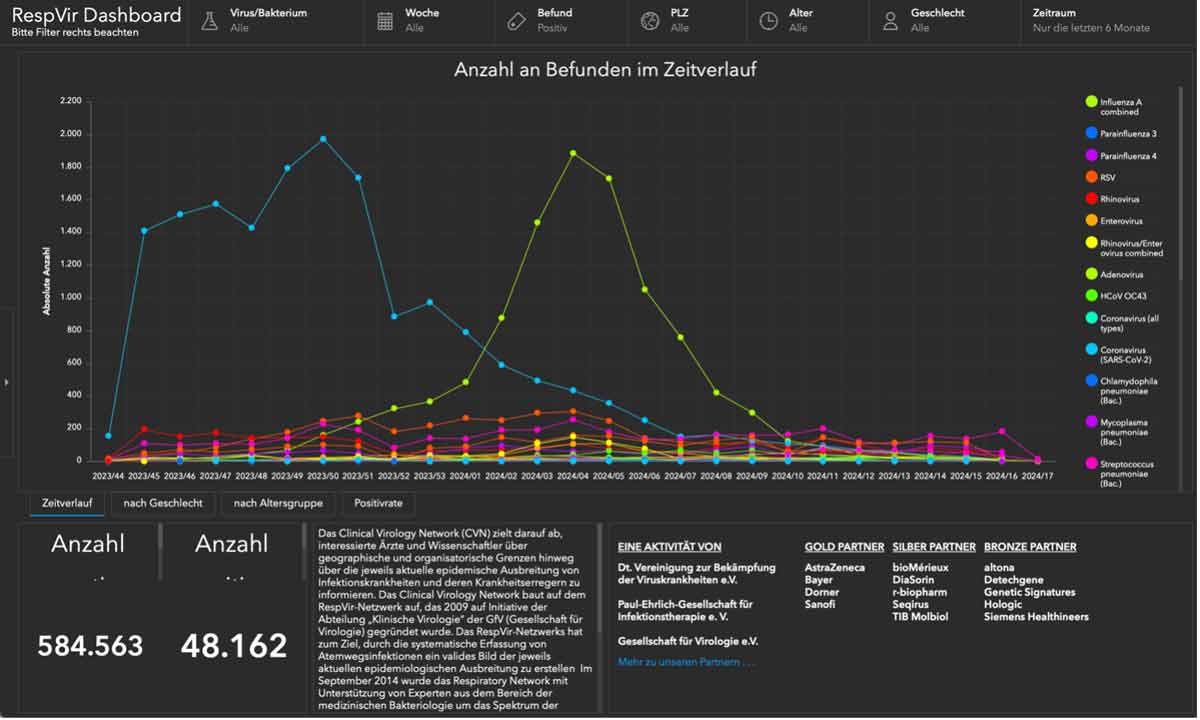
Clinical Virology Network (CVN) interface - sending data automatically in the background In a world where technological advances and medical precision go hand in hand, it is crucial that laboratories have access to the best possible tools. As a Gold Partner in the Clinical Virology Network (CVN), we are pleased to introduce an industry-leading innovation: Our unique and fully ... Read more

LowCode platform

Programming made easy: The revolution in the health IT industry through low-code platforms An innovative development is emerging in the field of health IT, in which not only IT experts, but also colleagues from various departments, such as accounting or marketing, are able to design business applications with the help of low-code platforms. The DORNER Workflow Engine is our ... Read more

Digitalization-University Hospital

Digitalization at medical universities with the DORNER Workflow Engine Digital transformation at MedUni: The Medical University takes IT responsibility seriously and introduces innovative solutions for the future of medicine. The need for a central service provider At a time when digitalization and technological progress are rapidly changing the medical world, but at the same time compliance requirements are becoming increasingly ... Read more

pediatric-oncology-lims-essentials

10 Essential Functions of a LIMS in Pediatric Oncology We have compiled ten essential functions that a LIMS in pediatric oncology and neuroblastoma research must fulfill in order to effectively contribute to research and improve patient care. Today, the pediatric oncology research community faces enormous challenges: an ever-growing number of research methods, an increasing ... Read more

Thumbnail_GeneticLIMS_CCRI

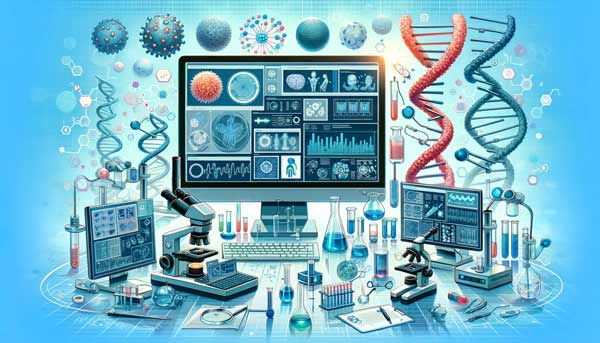
The world of laboratory diagnostics and biomedical research is undergoing a revolution through the use of advanced technologies such as laboratory information and management systems (LIMS). A notable example of this development is the introduction of the DORNER Genetics LIMS at LabDia Labordiagnostik and the St. Anna Children's Cancer Research Institute in Vienna. 

This blog post highlights how St. Anna Children's Cancer Research Institute (CCRI) and LabDia Laboratory Diagnostics have revolutionized their work processes by integrating an advanced LIMS.

Integration and efficiency with DORNER Genetics LIMS

The main goal of LabDia LaborDiagnostik is to create a comprehensive system that brings together the various specialist departments - including hematology, oncology, infectiology, human genetics and immunology. The DORNER Genetics LIMS enables them to efficiently manage sample tracking, shared reporting and access to results from other departments.

Challenges and solutions at the St. Anna Children's Cancer Research Institute

The St. Anna Children's Cancer Research Institute, known for its groundbreaking research in pediatric oncology, faces the challenge of coordinating different laboratory processes. The research spans various specialties, with each area placing specific demands on the LIMS. The diversity of methods such as NGS, Sanger sequencing, FACS, MLPA and FISH requires a LIMS that can handle high throughputs and different workflows.

Why DORNER Genetics LIMS? - An expert view

Dr. Marie Bernkopf of the St. Anna Children's Cancer Research Institute emphasizes the flexibility of the DORNER Genetics LIMS as a key factor in her choice. The ability to combine different departments with different requirements in one system is invaluable to the institute. Particularly noteworthy are the worklist and batch processing functions, which enable efficient and digital handling of samples.

Familiarization with the system and user recommendation

The team at the St. Anna Children's Cancer Research Institute was able to familiarize itself with the DORNER Genetics LIMS relatively quickly. The daily routines were mastered within a few weeks, while the familiarization with new functions continues. Dr. Bernkopf recommends the system to other laboratories due to its adaptability and the ability to customize functions - a key advantage in the complex field of genetics.

Conclusion and outlook

The implementation of the DORNER Genetics LIMS at LabDia LaborDiagnostik and the St. Anna Children's Cancer Research Institute is an exemplary model for the integration of modern technologies into complex research and diagnostic processes. This development points the way to the future of laboratory diagnostics and underlines the importance of flexible, adaptable systems in science. It is proof of how innovative solutions can increase efficiency and contribute to improving the quality of research.
ASR interface

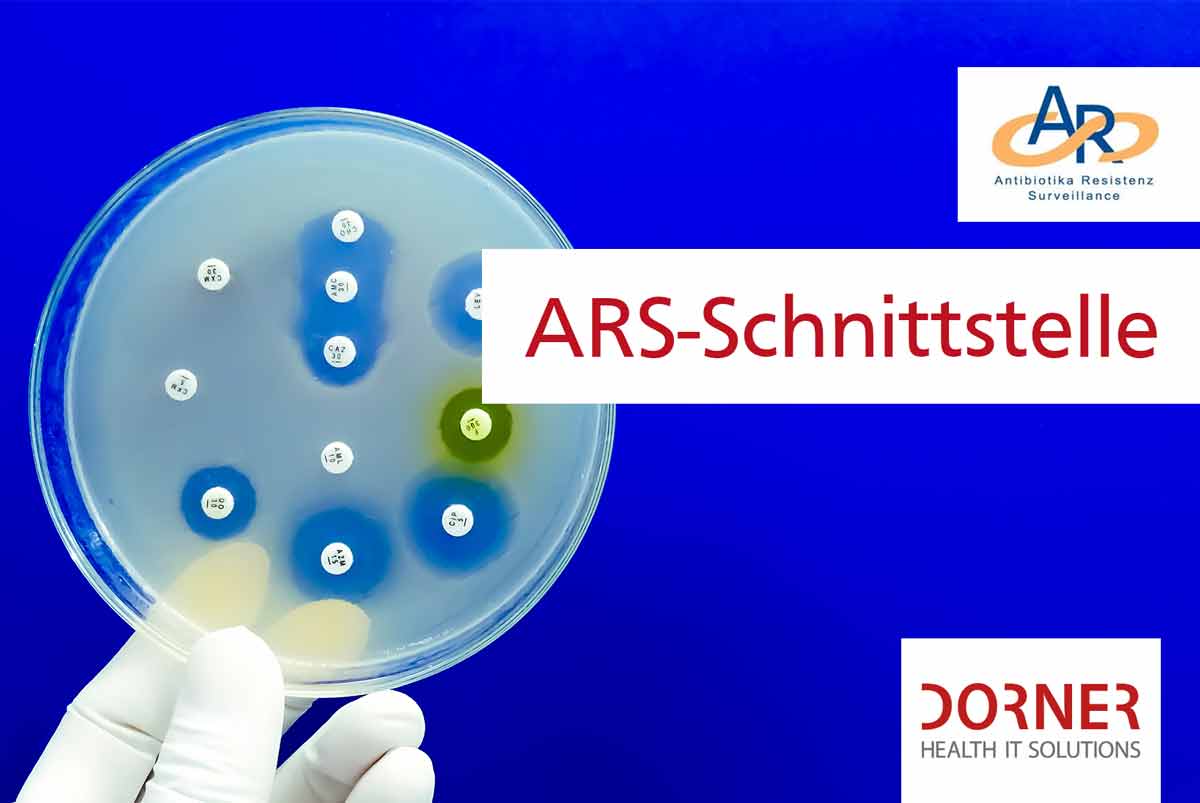
ARS - Antibiotic Resistance Surveillance - Interface According to the latest decision of the Federal Joint Committee (G-BA), all treatment facilities that use reserve antibiotics in accordance with §35a SGB V must be connected to the ARS infrastructure by 01.01.2024 at the latest. The LIS-independent ARS interface from DORNER already enables the seamless transmission of data on antibiotic resistance to the surveillance network, making a decisive contribution to ... Read more

Quality Management ISO 9001 DEKRA

Recertification ISO 9001: Quality & Safety at DORNER Software development is crucial in the healthcare sector to improve the quality of patient care and ensure patient safety. As software developers, we have always been committed to the responsibility of developing high-quality solutions that save lives and improve people's health. We are very pleased to announce our ... Read more

DORNER_Genetics-LIMS_Oncology_Laboratory_Kispi-Zuerich

The demand for genetic testing is experiencing a steady increase and remains critical in the medical landscape. With each innovation and new method, ever deeper insights into the genetic basis of health and disease are opened up. This development presents physicians with a wealth of opportunities, from treatment planning to diagnosis confirmation and therapy adjustment. But as the importance of genetic analysis increases, so does the challenge of handling a growing number of samples and requests.

In this development, highly specialized software solutions such as DORNER software have become an indispensable tool. These automate resource-intensive processes and significantly reduce the workload of medical staff. The DORNER Genetics LIMS has become indispensable at almost every workplace in genetics and has revolutionized the way laboratories work.

Bence Dvoràk, Laboratory Coordinator at the Oncology Laboratory of the University Children's Hospital Zurich, gave us an exclusive insight into the essential role of DORNER Genetics LIMS (Laboratory Information and Management System) in supporting their work.

Where does the DORNER Genetics LIMS become visible in your work in the laboratory?

Bence Dvoràk: From the documentation side, the DORNER Genetics LIMS comes into play in that we record everything both in paper form and electronically. This is done for both quality management and laboratory organization. We have been working with work lists for about a year and a half. Work lists and work batches are the two essential modules of the DORNER Genetics LIMS for us, and they are being introduced to us step by step. It is therefore necessary that we also record all data and information electronically.

Can you tell us more about the process of chromosome analysis and how the DORNER Genetics LIMS helps?

Bence Dvoràk: Both quality and quantity are recorded in the quality management system, i.e. the DORNER Genetics LIMS. The chromosomes are then stained, and after staining they are placed on the Metafer G system from MetaSystems. This is a fully automated system that works with the help of artificial intelligence. It searches for, finds, records and classifies the chromosomes. A good example of work simplification through automation. And thanks to the bidirectional connection to our DORNER Genetics LIMS, karyotyping is started with a single click and the results are imported in full.

How has the integration of the DORNER Genetics LIMS affected the efficiency of your work?

Bence Dvoràk: An example: As soon as we know that a chromosome analysis is going to be performed, we press the 'Send metafer' button in LIMS. This creates a patient folder on the server through which the two systems interact. On the one hand, this is extremely convenient for us, as we no longer have to manually enter all the individual data such as surname, first name and laboratory number, which is a potential source of error. Instead, we can simply rely on the systems and trust them. On the other hand, creating a karyogram can be time-consuming and tedious, and copying data back and forth between systems also carries the risk of error. Meanwhile, once the karyogram is created in the Neon software, it is set up to be automatically transferred to the DORNER Genetics LIMS. The reporting can then be completed there. In addition, we are required to archive a specific number of karyograms for each clone in digital form for 30 years, and this task is also facilitated by the DORNER Genetics LIMS.

Sounds like an impressive increase in efficiency. What about fluorescence in situ hybridization (FISH)? How does the DORNER Genetics LIMS support this process?

Bence Dvoràk: Again, all the steps are recorded in the DORNER Genetics LIMS, as all the work lists are mapped there to record which patients need to be examined and which probes are to be used. The approach here is in the laboratory, both manually and with the help of automated systems. However, quality assurance is ultimately performed again in the DORNER Genetics LIMS.

Can you also please tell us about next-generation sequencing (NGS) and region-specific comparative genomic hybridization (RSCGH)?

Bence Dvoràk: NGS and RSCGH are performed upstairs, but the principle is the same. All quality characteristics and all information about a patient are always recorded in the DORNER Genetics LIMS.

Security audit certification

More IT security through security audits by white-hat hackers The digital world is evolving rapidly and with it the challenges of IT security are growing. In this era where technological advancements and cybercriminal activity go hand in hand, it is crucial that companies and institutions put their digital solutions through their paces to close loopholes, prevent ... Read more

DEMIS interface

Automated & Mandatory IfSG-Compliant Reports Starting in April 2026 Starting in April 2026, only laboratories that have correctly updated their master data to match the official code lists will be able to continue submitting reports via DEMIS. Without this update, reports will result in an error in the future. 👉 The DORNER DEMIS interface helps you complete the transition on time, provides ongoing updates to the code lists, and offers … Read more

DORNER on LinkedIn

Never miss a message again!